
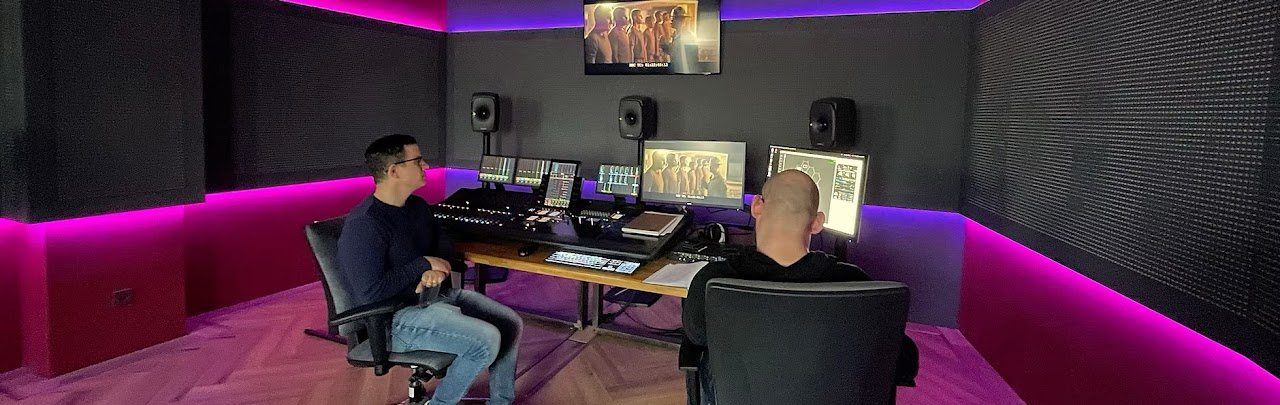
There is a moment in every production where the cameras stop rolling and a different kind of filmmaking begins. Most audiences never think about it. Many first-time filmmakers underestimate it. But if you have ever sat in an edit suite and watched raw footage for the first time, you know exactly what I am talking about.
Raw footage does not look like a film. It looks like a collection of moments — some beautiful, some flat, most of them waiting for someone to find the story hiding inside them.
That is what post-production is. It is not a technical phase you get through on your way to a premiere. It is where your film actually becomes a film.
The Edit Is the Final Rewrite
I tell every writer and director I work with the same thing: the script is the first draft of your story, production is the second, and the edit is the third. And often, it is the edit that matters most.
I have seen films saved in the editing room. I have also seen films lost there. The difference almost always comes down to whether the filmmaker understood that editing is not about assembling footage in the order it was scripted. It is about finding the rhythm of the story as it actually exists, not as you imagined it would be.
Sometimes the scene you thought was the heart of the film does not work. Sometimes a moment you barely noticed on set becomes the scene that holds everything together. A good editor knows this. A good producer trusts the process enough to let it happen.
The editorial choices that shape a film go far beyond cutting for continuity. When do you hold on a close-up for two extra seconds? When do you cut away before a line is finished? When do you let silence do the work? These are storytelling decisions, every one of them, and they change the meaning of the footage as fundamentally as any rewrite ever could.
If you are a filmmaker who hands off your footage and says "just put it together," you are giving away the most powerful stage of your creative process.
Colour Grading Is Not a Filter
This is something I wish more emerging filmmakers understood. Colour grading is not about making your film look cinematic by slapping a preset on it. It is about using colour as a narrative tool.
Think about what colour does in the films that stay with you. The cold, desaturated blues of a thriller. The warm amber tones of a memory sequence. The way a film can shift from one palette to another as a character's world changes. None of that is accidental. It is designed, deliberately, to guide the audience's emotional experience without them ever being conscious of it.
I have sat through grading sessions where a single adjustment to the warmth of a scene completely changed how it felt. A conversation that read as tense suddenly felt intimate. A landscape that looked flat suddenly had depth and mood. That is not exaggeration. That is what a skilled colourist does.
The mistake I see most often is treating the grade as a cosmetic step — something you do at the end to make everything look polished. If that is your approach, you are leaving one of your most powerful storytelling tools on the table. The best films integrate colour into the storytelling from the earliest stages of planning, and the grade is where that vision comes to life.
If your film looks beautiful but the colour is not serving the story, you have a screensaver, not a movie.
Sound Design Is Half the Experience
Here is a number that should change how you think about filmmaking: audiences experience roughly fifty percent of a film through their ears. Not just dialogue. The entire sonic landscape — ambience, foley, effects, music, silence.
And yet sound is consistently the most neglected element in independent filmmaking. I have watched otherwise excellent short films and features undermined by thin, careless sound work. It does not matter how gorgeous your cinematography is. If the sound pulls the audience out of the world you have built, you have lost them.
Good sound design is invisible. You do not notice it because it makes you feel something without drawing attention to itself. The distant rumble before a storm. The hollow echo of footsteps in an empty corridor. The sudden, disorienting quiet after an explosion. These are not technical choices. They are emotional ones.
I learned this lesson properly on one of my earlier projects. We had a scene that was not landing — the tension was not there, no matter how we cut it. The footage was fine. The performances were strong. But it felt flat. The sound designer added a low, almost subliminal drone underneath the dialogue, layered in the ambient sounds of a building settling, and adjusted the room tone so it felt slightly too quiet. Suddenly the scene worked. Nothing changed visually. Everything changed experientially.
If you are budgeting for a film and sound design is an afterthought, you are making a mistake that will show up in every frame.
The Relationship Between These Elements
What makes post-production an art rather than a technical exercise is that none of these elements work in isolation. The edit informs the grade. The grade informs the sound. The sound informs the edit. It is a conversation between disciplines, and when it works well, the result is something greater than any individual element could achieve on its own.
I have been in sessions where the colourist pulled the warmth out of a scene, and the editor immediately saw that the cut needed to be tighter — the cooler tone demanded a different pace. I have seen sound designers react to a colour shift by adjusting the texture of the ambient mix. These are not separate workflows happening in parallel. They are interconnected creative choices that shape the final film together.
This is why post-production cannot be rushed. It is tempting, especially on independent films with tight budgets, to compress the post schedule and treat it as an assembly line. Get the cut done, send it to colour, send it to sound, export, deliver. But that approach strips away the creative dialogue that makes the difference between a technically finished film and one that actually moves people.
What This Means for Producers
If you are producing a film, your job in post-production is not to stand back and wait for a finished product. It is to create the conditions where your editor, your colourist, and your sound team can do their best work.
That means scheduling enough time. It means budgeting realistically for each stage. It means being in the room — not to micromanage, but to understand what is happening to your story and to make informed decisions when creative choices need to be made.
It also means hiring the right people. A talented editor will find things in your footage that you did not know were there. A skilled colourist will give your film a visual identity that elevates every frame. A great sound designer will build a world your audience can step into with their eyes closed.
These are not luxuries. They are the people who finish making your film.
The Bottom Line
Post-production is where everything comes together or falls apart. It is where raw footage becomes a story, where technical files become an emotional experience, and where the thousands of decisions made during development, writing, and production are either honoured or wasted.
I have seen too many filmmakers treat post as a formality — something to get through rather than something to invest in. Do not make that mistake. The edit, the grade, and the sound are not finishing touches. They are the final and most decisive act of storytelling you will perform on your film.
Give post-production the time, the budget, and the respect it deserves. Your film depends on it.